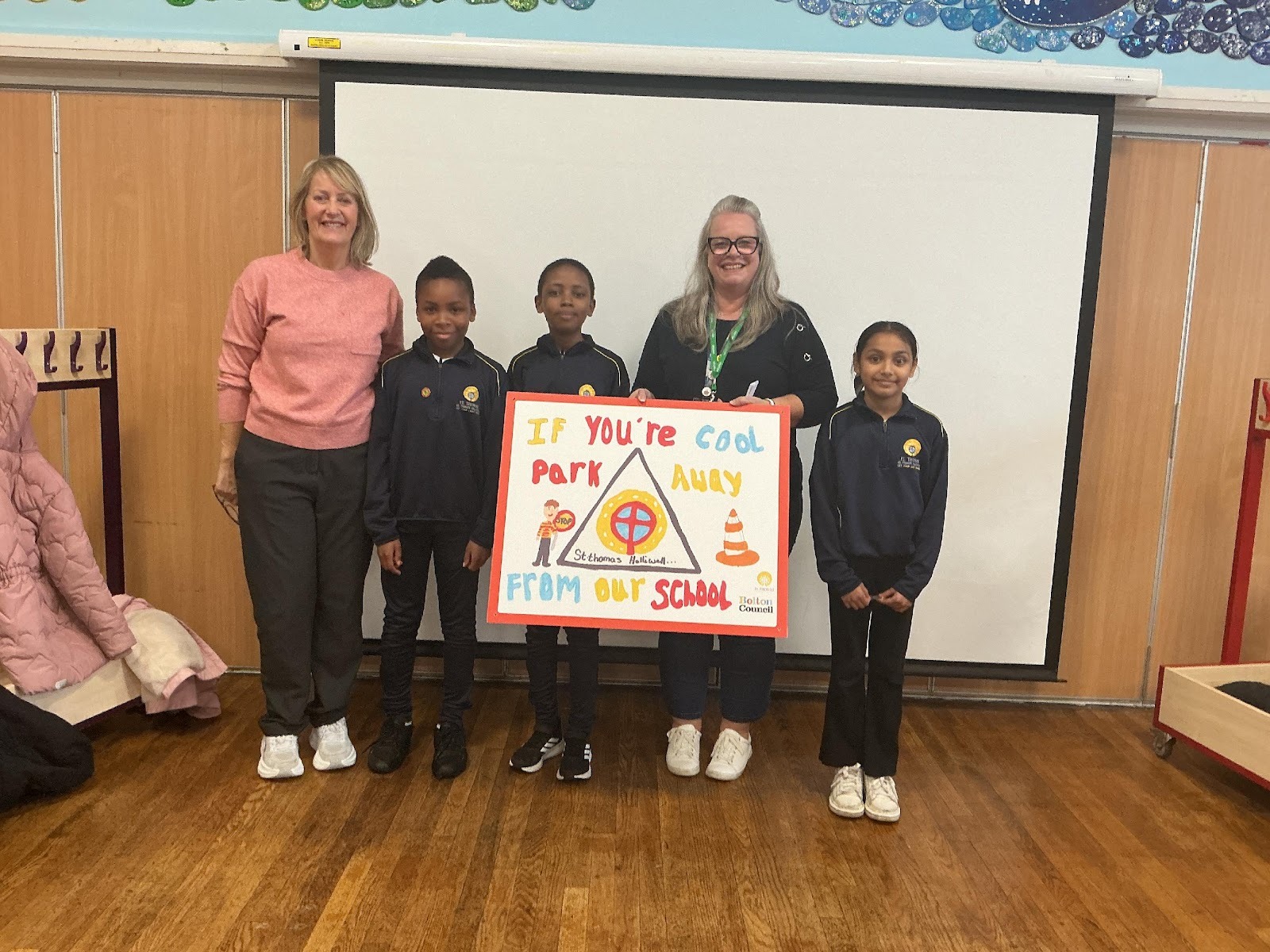
Wellbeing & Attendance Ambassadors

A Well-being champion acts as a pupil representative and champion for their subject. Their role is to help promote well-being across the school, support staff in developing PHSE learning, and give pupils a voice in shaping how PHSE is taught. 

Role of a Well-Being Champion / PSHE Ambassador

Promoting Well-Being:

  • Encourage positive mental health, kindness, and resilience among pupils
  • Help children understand emotions and develop healthy coping strategies
  • Promote a culture where it’s okay to talk about feelings

Supporting PSHE Learning:

  • Support the delivery of PSHE lessons (health, relationships, safety, and life skills)
  • Help reinforce key messages such as respect, diversity, and personal responsibility
  • Act as a positive role model for healthy behaviour

Pupil Voice & Peer Support:

  • Represent pupils’ views and ideas about well-being and school life
  • Help younger pupils feel included and listened to
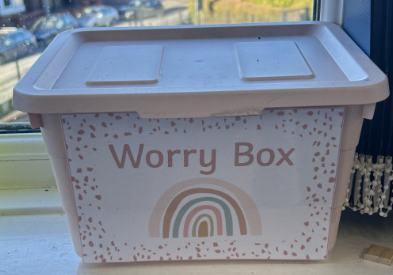
  • Support initiatives like buddy systems, worry boxes, or playground support

Promoting Safety & Healthy Choices:

  • Encourage healthy lifestyles (exercise, nutrition, online safety)
  • Help raise awareness of bullying, including how to report concerns
  • Support anti-bullying and safeguarding message

Leading & Supporting Initiatives:

  • Help organise events such as Well-Being Week, Mental Health Awareness activities, or Kindness campaigns
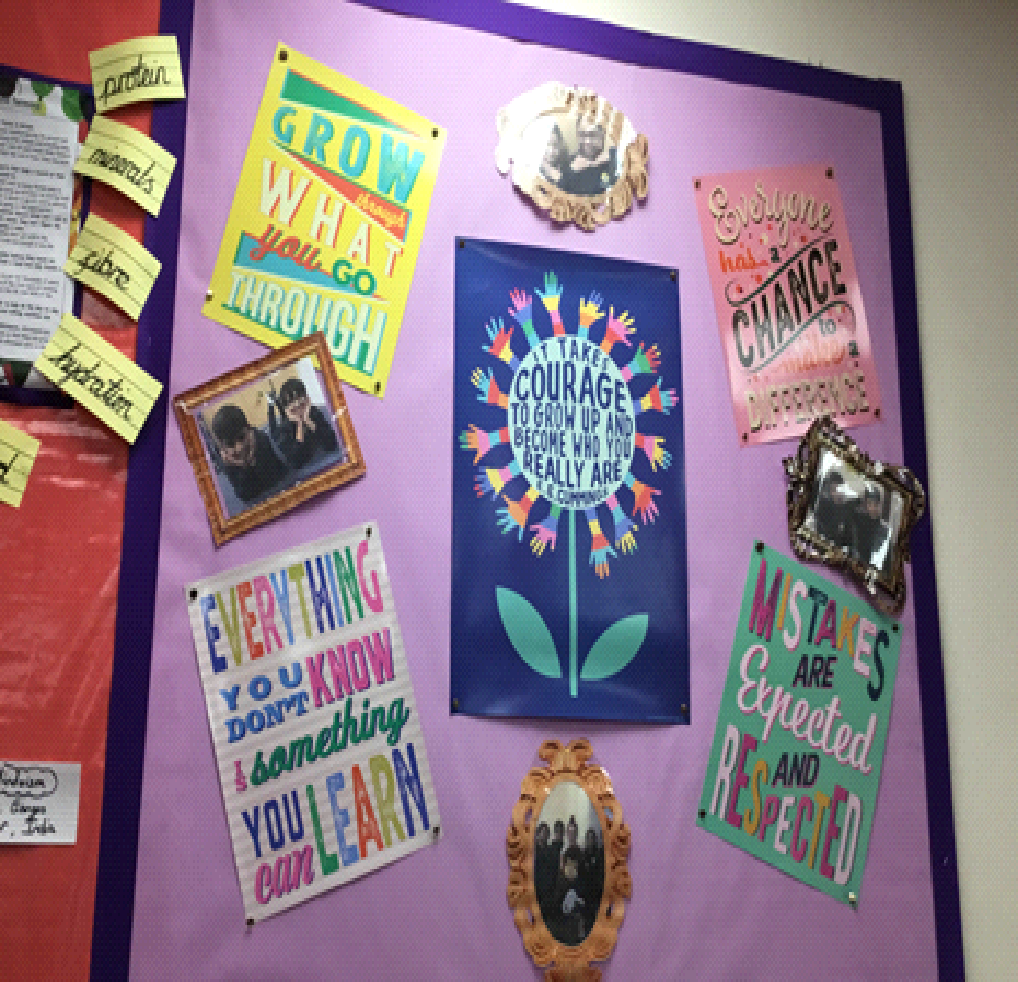
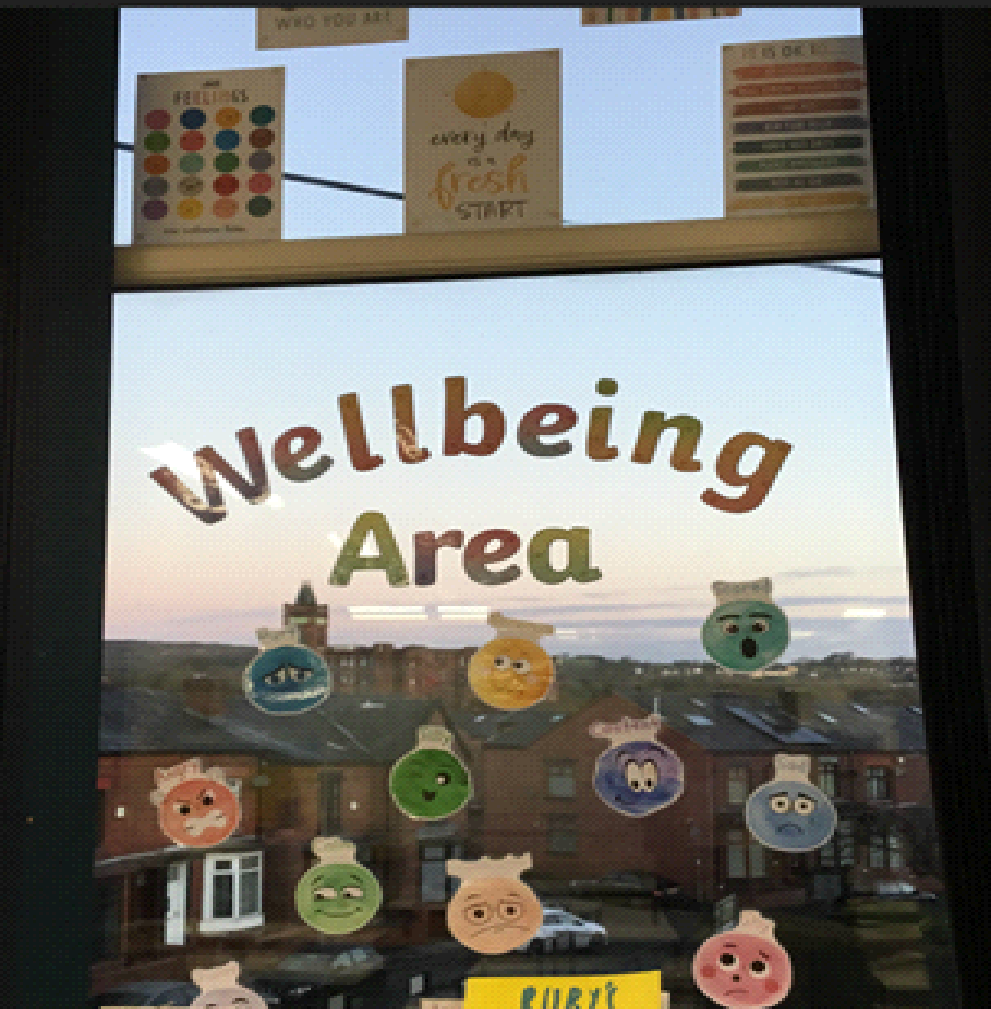
  • Create posters, assemblies, or displays to promote well-being
  • Work with staff to suggest new ideas that improve pupil well-being

Working with Staff:

  • Meet with teachers or the PSHE lead to share feedback and ideas
  • Support school policies on behaviour, inclusion, and well-being
  • Help evaluate what is working well and what could improve

Skills Pupils Develop in the Role:

  • Confidence and leadership
  • Empathy and communication
  • Responsibility and teamwork

Meet Our Wellbeing & Attendance Ambassadors
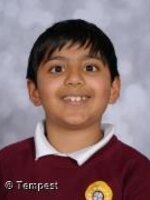
Muhammadali

Muhammadali

Year 3

I wanted to be a wellbeing and attendance ambassador because I like helping people.
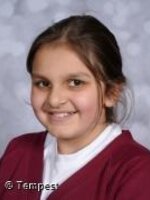
Anhaar

Anhaar

Year 3/4

I wanted this opportunity because I’ve enjoyed giving out the attendance bears. We’ve had a good experience with all of these ideas and wellbeing is important for children, so they can just come up to us and we can help them.
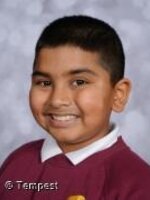
Muhammad Ayaan

Muhammad Ayaan

Year 4

I wanted to be a wellbeing and attendance ambassador because I can help people and it is really fun. Also, when another person is feeling sad I can cheer them up. Mrs Powell is a really kind teacher so it makes it easy for us.
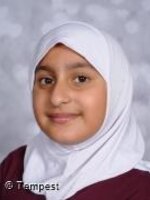
Kashaf

Kashaf

Year 5

I really wanted to be a wellbeing and attendance ambassador. I am really lucky to get this option to help people. We do so many things like Hello Yellow, Blue Monday, Children’s Mental Health Day. I just wanted to help teachers, staff and children’s mental health.
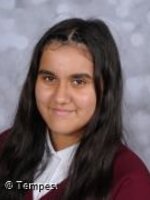
Victoria

Victoria

Year 5/6

I wanted to be a wellbeing and attendance ambassador because I want to help others. I have been through a lot but have managed to feel better. As a result, I want to help others as I can relate to them. This opportunity has included many things like meetings, assemblies, helping others, and especially playing with Buddy! Thank you for this amazing opportunity!
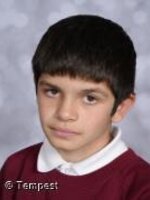
Mubashir

Mubashir

Year 6

I wanted to be a wellbeing and attendance ambassador because I want to help people and give the attendance bear out in assemblies and make people happy. This has included many things like meetings, assemblies, helping others and thank you for this opportunity!

PHSE Curriculum, Teaching & Learning and Assessment Outcomes

Curriculum

At St Thomas’, PSHE and well-being is at the heart of our school. We provide a curriculum that covers key areas which will support children to make positive choices now and in the future. This includes their health, safety, wellbeing, relationships and financial matters which will support them in being confident individuals in the ever changing world around us. This curriculum links closely with safeguarding, SMSC, British Values and Global citizenship. At St Thomas’ from September 2024, we have been following the Kapow Scheme of work. This scheme covers wider PSHE learning, in line with the requirement of the National Curriculum (2014) that schools ‘should make provision for personal, social, health and economic education (PSHE).’ Children’s learning through this scheme would significantly contribute to their personal development as set out in the Ofsted Inspection Framework and promotes the four fundamental British values which reflect life in modern Britain: democracy; rule of law; respect and tolerance and individual liberty. Quality PSHE teaching is an important element in helping schools to carry out their duty of care with regards to safeguarding. The DfE’s statutory ‘Keeping Children Safe in Education (Sep 2020)’ guidance states that Governing bodies and proprietors should ensure that all children are taught about safeguarding, including online safety. At St Thomas’, we consider this as part of providing a broad and balanced curriculum. Our curriculum also introduces and revisits ideas of personal boundaries, consent and communicating our boundaries with others. Our PSHE curriculum will incorporates an age appropriate understanding of RSE, as set out in the statutory guidance, enabling all children to be safe and to understand and develop healthy relationships both now and in their future lives. This is taught in an age-appropriate way with parents having the right to withdraw following discussions with SLT. This is in line with the new recommendations to the RSE curriculum (September 2026).

Teaching & Learning

  • Curriculum Design

St Thomas Halliwell Primary School School has chosen to use the Kapow Primary PSHE scheme of work which provides full curriculum coverage, including all the statutory content for each year group. This is a whole school approach that consists of three areas of learning in EYFS: Reception (to match the EYFS Personal, social and emotional development prime area) and five areas of learning across Key Stages 1 and 2.

  • Teaching Strategies

PSHE at St Thomas’ uses explicit teaching alongside discussion and reflection, underpinned by Rosenshine’s Principles. Lessons include review, small steps, clear modelling, guided and independent practice, and regular checks for understanding. Learning is reinforced through scenarios, stories and discussion within a safe, inclusive classroom environment.

  • Adaptive Teaching

PSHE is delivered through adaptive teaching by responding to pupils’ differing needs while maintaining the same learning intentions for all. We use clear modelling, scaffolded discussion, visuals and sentence stems, flexible grouping, and in-the-moment checks for understanding to adjust support and pace. A safe, inclusive classroom environment ensures all pupils can access learning at their own level.

  • Assessment and Feedback

Assessment and feedback in PSHE are ongoing and mainly formative. We assess pupils through discussion, observation, questioning and responses to scenarios, focusing on understanding and skills rather than written outcomes. Feedback is given verbally during lessons, through modelling, clarification and praise, and by addressing misconceptions sensitively, ensuring pupils feel supported and confident to reflect and improve.

Assessment Outcomes & Impact

A high-quality PSHE/RSE curriculum has a positive impact on our pupils’ wellbeing, behaviour and readiness for life. It supports children to develop emotional literacy, resilience and confidence, enabling them to manage feelings, build healthy relationships and make safe, informed choices. As a result, pupils demonstrate improved communication, empathy and respect for others, contributing to a positive, inclusive school culture.

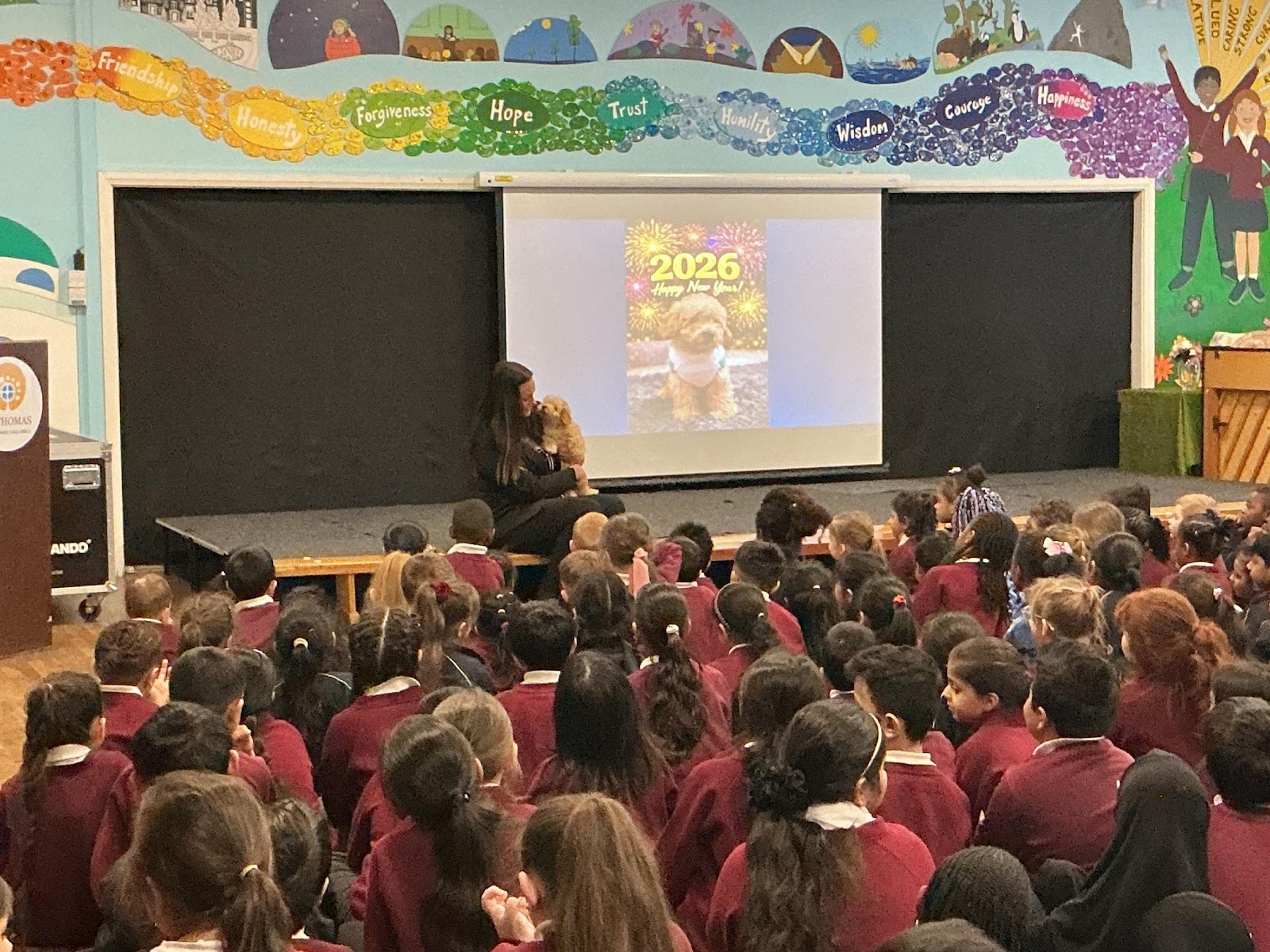
To further cement this impact the school received the Well-being award for schools (WAS) in December 2025.

Here is a summary of the many strengths identified:

  • An embedded vision and ethos, based on the schools Christian values ‘Our community united in love and learning where all can shine and school motto ‘Let your light shine’, developed in consultation with all stakeholders, are central to the success of the school, are shared by everyone, and has created a sense of  autonomy, belonging and shared responsibility.
  • Children feel extremely safe and happy in school, have many friends, and articulated well how the school supports them with their emotional wellbeing and mental health and how they are confident to express their feelings, to ask for support and actively help each other.
  • An open door policy, stakeholder voice, listening to the needs of others, breaking down barriers, effective communication and implementing change are very much part of how the school has achieved a shared sense of family where pupils, families and staff are confident to ask for or seek support, and staff are confident in identifying those who require support and signposting and/or providing support.
  • Outstanding leadership, effective stakeholder voice and consultation mechanisms, clear communication, the school vision and strategy has led to a shared responsibility and ownership that promotes everyone to take responsibility of their own and others wellbeing and mental health.
  • Whole school community initiatives have increased awareness and understanding of mental health and wellbeing, resulting in open conversations, using shared language, and everyone recognising when they are not mentally well, and are able to ask for support or to support themselves and others confidently to improve their wellbeing by using a range of techniques, contributing to improved resilience.
  • An embedded happy, caring, respectful, empathetic, inclusive, diverse, positive school culture and ethos, investment in highly trained, committed and nurturing staff, alongside the new PSHE curriculum, excellent   pastoral care, a creative and varied curriculum, extra-curricular activities and targeted interventions has resulted in all pupils, including those with additional wellbeing and mental health needs, being provided with a safe space and for interventions to be delivered, enabling their needs to be met.

Overview of PHSE

Progression of Skills in PHSE

Families and Relationships

EYFS

Skills

Knowledge

Family 

  • Talking about people that hold a special place in my life.

Friendships 

  • Developing strategies to help when sharing with others.
  • Exploring what makes a good friend.

Respectful relationships 

  • Thinking about what it means to be a valued person.
  • Exploring the differences between us that make each person unique.
  • Considering the perspectives and feelings of others.
  • Learning to work as a member of a team.

Friendships 

  • To know that we share toys so that everyone feels involved and no one feels left out or upset.

Respectful relationships 

  • To understand that different people like different things.
  • To understand that all people are valuable.

Year 1

Skills

Knowledge

Family 

  • Exploring how families are different to each other.

Friendships 

  • Exploring how friendship problems can be overcome.
  • Exploring friendly behaviours.

Family 

  • To understand that families look after us.
  • To know some words to describe how people are related (eg. aunty, cousin).
  • To know that some information about me and my family is personal.

Friendships 

  • To understand some characteristics of a positive friendship.
  • To understand that friendships can have problems but that these can be overcome.

Respectful relationships 

  • To know that it is called stereotyping when people think of things as being 'for boys' or 'for girls' only.

Year 2

Skills

Knowledge

Family 

  • Understanding ways to show respect for different families.

Friendships 

  • Understanding difficulties in friendships and discussing action that can be taken.

Respectful relationships 

  • Exploring the conventions of manners in different situations.

Change and loss 

  • Exploring how loss and change can affect us.

Family 

  • To know that families can be made up of different people.
  • To know that families may be different to my family.

Friendships 

  • To know some problems which might happen in friendships.
  • To understand that some problems in friendships might be more serious and need addressing.

Respectful relationships 

  • To understand what good manners are.
  • To understand some stereotypes related to jobs.

Change and loss 

  • To know that there are ways we can remember people or events.

Year 3

Skills

Knowledge

Family 

  • Learning that problems can occur in families and that there is help available if needed.

Friendships 

  • Exploring ways to resolve friendship problems.
  • Developing an understanding of the impact of bullying and what to do if bullying occurs.

Respectful relationships 

  • Identifying who I can trust.
  • Exploring the negative impact of stereotyping.

Family 

  • To know that I can talk to trusted adults or services such as Childline if I experience family problems.

Friendships 

  • To know that bullying can be physical or verbal.
  • To know that bullying is repeated, not a one off event.
  • To know that violence is never the right way to solve a friendship problem.

Respectful relationships 

  • To know that trust is being able to rely on someone and it is an important part of relationships.
  • To understand that there are similarities and differences between people.

Year 4

Skills

Knowledge

Friendships 

  • Exploring physical and emotional boundaries in friendships.

Change and loss 

  • Discussing how to help someone who has experienced a bereavement.

Friendships 

  • To understand the different roles related to bullying including victim, bully and bystander.
  • To understand that everyone has the right to decide what happens to their body.

Respectful relationships 

  • To understand the courtesy and manners which are expected in different scenarios.
  • To understand some stereotypes related to disability.

Change and loss 

  • To know that bereavement describes the feeling someone might have after someone dies or another big change in their lives.

Year 5

Skills

Knowledge

Family 

  • Identifying ways families might make children feel unhappy or unsafe.

Friendships 

  • Exploring the impact that bullying might have.
  • Exploring issues which might be encountered in friendships and how these might impact the friendship.

Respectful relationships 

  • Exploring and questioning the assumptions we make about people based on how they look.

Family 

  • To know that marriage is a legal commitment and is a choice people can make.
  • To know that if I have a problem, I can call ChildLine on 0800 1111.

Friendships 

  • To understand what might lead to someone bullying others.
  • To know what action a bystander can take when they see bullying.

Respectful relationships 

  • To know that stereotypes can be unfair, negative and destructive.
  • To know that discrimination is the unfair treatment of different groups of people, especially on the grounds of race, age, sex, or disability.

Year 6

Skills

Knowledge

Friendships 

  • Identifying ways to resolve conflict through negotiation and compromise.

Respectful relationships 

  • Discussing how and why respect is an important part of relationships.
  • Identifying ways to challenge stereotypes.

Change and loss 

  • Exploring the process of grief and understanding that it is different for different people.

Friendships 

  • To know that a conflict is a disagreement or argument and can occur in friendships.
  • To understand the concepts of negotiation and compromise.

Respectful relationships 

  • To understand what respect is.
  • To understand that everyone deserves respect but respect can be lost.
  • To understand that stereotypes can lead to bullying and discrimination.

Change and loss 

  • To understand that loss and change can cause a range of emotions.
  • To know that grief is the process people go through when someone close to them dies.

Health and Well-being

EYFS

Skills

Knowledge

Health and prevention 

  • Discussing ways that we can take care of ourselves.

Physical health and wellbeing 

  • Exploring how exercise affects different parts of the body.

Mental wellbeing 

  • Identifying how characters within a story may be feeling.
  • Identifying and expressing my own feelings.
  • Exploring coping strategies to help regulate emotions.
  • Exploring different facial expressions and identifying the different feelings they can represent.
  • Exploring ways to moderate behaviour, socially and emotionally.
  • Coping with challenge when problem solving.

Health and prevention 

  • To know that having a naturally colourful diet is one way to try and eat healthily,

Physical health and wellbeing 

  • To know that exercise means moving our body and is important.

Mental wellbeing 

  • To name some different feelings and emotions.
  • To know that I am a valuable individual.
  • To know that facial expressions can give us clues as to how a person is feeling.
  • To know that I can learn from my mistakes.
  • To know some strategies to calm down.

Year 1

Skills

Knowledge

Health and prevention 

  • Learning how to wash hands properly.
  • Learning how to deal with an allergic reaction.

Physical health and wellbeing 

  • Exploring positive sleep habits.

Mental wellbeing 

  • Identifying different ways to manage feelings.

Health and prevention 

  • To understand we can limit the spread of germs by having good hand hygiene.
  • To know the five S's for sun safety: slip, slop, slap, shade, sunglasses.
  • To know that certain foods and other things can cause allergic reactions in some people.

Physical health and wellbeing 

  • To know that sleep helps my body to repair itself, to grow and restores my energy.

Mental wellbeing 

  • To know that strengths are things we are good at.
  • To know that qualities describe what we are like.
  • To know the words to describe some positive and negative emotions.

Year 2

Skills

Knowledge

Health and prevention 

  • Exploring the effect that food and drink can have on my teeth.

Physical health and wellbeing 

  • Exploring some of the benefits of a healthy balanced diet.
  • Suggesting how to improve an unbalanced meal.

Mental wellbeing 

  • Exploring strategies to manage different emotions.
  • Developing empathy.
  • Exploring the need for perseverance and developing a growth mindset.

Health and prevention 

  • To know that food and drinks with lots of sugar are bad for my teeth.

Physical health and wellbeing 

  • To understand the balance of foods we need to keep healthy.

Mental wellbeing 

  • To know that we can feel more than one emotion at a time.
  • To know that a growth mindset means being positive about challenges and finding ways to overcome them.

Year 3

Skills

Knowledge

Health and prevention 

  • Understanding why it is important to look after my teeth.

Physical health and wellbeing 

  • Developing the ability to plan for a healthy lifestyle with physical activity, a balanced diet and rest.

Mental wellbeing 

  • Being able to breakdown a problem into smaller parts to overcome it.

Health and prevention 

  • To understand ways to prevent tooth decay.

Physical health and wellbeing 

  • To know the different food groups and how much of each of them we should have to have a balanced diet.

Mental wellbeing 

  • To understand the importance of belonging.
  • To understand what a problem or barrier is and that these can be overcome.

Year 4

Skills

Knowledge

Health and prevention 

  • Developing independence in looking after my teeth.

Mental wellbeing 

  • Explore ways we can make ourselves feel happy or happier.
  • Developing the ability to appreciate the emotions of others in different situations.
  • Learning to take responsibility for my emotions by knowing that I can control some things but not others.
  • Developing a growth mindset.

Health and prevention 

  • To know key facts about dental health.

Mental wellbeing 

  • To know that it is normal to experience a range of emotions.
  • To know that mental health refers to our emotional wellbeing, rather than physical.
  • To understand that mistakes can help us to learn.
  • To know who can help if we are worried about our own or other people's mental health.

Year 5

Skills

Knowledge

Health and prevention 

  • Developing independence for protecting myself in the sun.

Physical health and wellbeing 

  • Considering calories and food groups to plan healthy meals.
  • Developing greater responsibility for ensuring good quality sleep.

Mental wellbeing 

  • Taking responsibility for my own feelings.

Health and prevention 

  • To understand the risks of sun exposure.

Physical health and wellbeing 

  • To know that calories are the unit that we use to measure the amount of energy certain foods give us.
  • To know that what we do before bed can affect our sleep quality.

Year 6

Skills

Knowledge

Health and prevention 

  • Discussing ways to prevent illness.
  • Identifying some actions to take if I am worried about my health or my friends’ health.

Physical health and wellbeing 

  • Setting achievable goals for a healthy lifestyle.

Mental wellbeing 

  • Developing strategies for being resilient in challenging situations.

Health and prevention 

  • To understand that vaccinations can give us protection against disease.
  • To know that changes in the body could be possible signs of illness.

Physical health and wellbeing 

  • To understand that a number of factors contribute to my physical health (diet, exercise, rest/relaxation, dental health).

Mental wellbeing 

  • To understand that a number of factors contribute to my mental health (Diet, exercise, rest/relaxation).
  • To know the effects technology can have on mental health.

Safety and the Changing Body

EYFS

Skills

Knowledge

Being safe (including online) 

  • Considering why it is important to follow rules.
  • Exploring what it means to be a safe pedestrian.

Being safe (including online) 

  • To know that some rules are in place to keep us safe.
  • To know how to behave safely on the pavement and when crossing roads with an adult.

Year 1

Skills

Knowledge

Drugs, alcohol and tobacco 

  • Learning what is and is not safe to put in or on our bodies.

Basic first aid 

  • Practising making an emergency phone call.

Being safe (including online) 

  • To know that some types of physical contact are never appropriate.

Drugs, alcohol and tobacco 

  • To know that some things are unsafe to put onto or into my body and to ask an adult if I am not sure.

Basic first aid 

  • To know that an emergency is a situation where someone is badly hurt, very ill or a serious accident has happened.
  • To know that the emergency services are the police, fire service and the ambulance service.

Year 2

Skills

Knowledge

Being safe (including online) 

  • Discussing the concept of privacy.
  • Exploring ways to stay safe online.

Drugs, alcohol and tobacco 

  • Exploring what people can do to feel better when they are ill.
  • Learning how to be safe around medicines.

Being safe (including online) 

  • To know the PANTS rule.
  • To know that I should tell an adult if I see something which makes me uncomfortable online.
  • To understand the difference between secrets and surprises.

Drugs, alcohol and tobacco 

  • To know that medicine can help us when we are ill.
  • To understand that we should only take medicines when a trusted adult says we can.

The changing adolescent body 

  • To know the names of parts of my body including private parts.

Year 3

Skills

Knowledge

Being safe (including online) 

  • Exploring ways to respond to cyberbullying or unkind behaviour online.
  • Developing skills as a responsible digital citizen.
  • Identifying things people might do near roads which are unsafe.

Drugs, alcohol and tobacco 

  • Exploring that people and things can influence me and that I need to make the right decision for me.
  • Exploring choices and decisions that I can make.

Basic first aid 

  • Learning what to do in a medical emergency, including calling the emergency services.

Being safe (including online) 

  • To understand that cyberbullying is bullying which takes place online.
  • To know the rules for being safe near roads.

Drugs, alcohol and tobacco 

  • To understand that other people can influence our choices.

Basic first aid 

  • To know that it is important to maintain the safety of myself and others, before giving first aid.

Year 4

Skills

Knowledge

Being safe (including online) 

  • Discussing how to seek help if I need to.
  • Exploring what to do if an adult makes me feel uncomfortable.
  • Learning about the benefits and risks of sharing information online.

Drugs, alcohol and tobacco 

  • Discussing the benefits of being a non-smoker.

The changing adolescent body 

  • Discussing some physical and emotional changes during puberty.

Being safe (including online) 

  • To understand that there are risks to sharing things online.
  • To know the difference between private and public.

Drugs, alcohol and tobacco 

  • To understand the risks associated with smoking tobacco.

The changing adolescent body 

  • To understand the physical changes to both male and female bodies as people grow from children to adults.

Year 5

Skills

Knowledge

Being safe (including online) 

  • Developing an understanding of how to ensure relationships online are safe.

Drugs, alcohol and tobacco 

  • Learning to make 'for' and 'against' arguments to help with decision making.

The changing adolescent body 

  • Identifying reliable sources of help with puberty.

Basic first aid 

  • Learning about how to help someone who is bleeding.

Being safe (including online) 

  • To know the steps to take before sending a message online (using the THINK mnemonic).
  • To know some of the possible risks online.

Drugs, alcohol and tobacco 

  • To know some strategies I can use to overcome pressure from others and make my own decisions.

The changing adolescent body 

  • To understand the process of the menstrual cycle.
  • To know the names of the external sexual parts of the body and the internal reproductive organs.
  • To know that puberty happens at different ages for different people.

Basic first aid 

  • To know how to assess a casualty's condition.

Year 6

Skills

Knowledge

Being safe (including online) 

  • Exploring online relationships including dealing with problems.

Drugs, alcohol and tobacco 

  • Discussing the reasons why adults may or may not drink alcohol.

The changing adolescent body 

  • Discussing problems which might be encountered during puberty and using knowledge to help.

Basic first aid 

  • Placing an unresponsive patient into the recovery position.

Being safe (including online) 

  • To understand that online relationships should be treated in the same way as face to face relationships.
  • To know where to get help with online problems.

Drugs, alcohol and tobacco 

  • To understand the risks associated with drinking alcohol.

The changing adolescent body 

  • To understand how a baby is conceived and develops.

Basic first aid 

  • To know how to conduct a primary survey (using DRSABC).

Citizenship

EYFS

Skills

  • Beginning to understand why rules are important in school.

Knowledge

  • To know that we have rules to keep everything fair, safe and enjoyable for everyone.
  • To understand that we all have similarities and differences and that make us special.
  • To know that we all have different beliefs and celebrate special times in different ways.

Year 1

Skills

  • Recognising why rules are necessary.
  • Exploring the differences between people.

Knowledge

  • To know the rules in school.
  • To understand that people are all different.

Year 2

Skills

  • Explaining why rules are in place.
  • Learning how to discuss issues of concern to me.

Knowledge

  • To know some of the different places where rules apply.
  • To know that some rules are made to be followed by everyone and are known as 'laws'.
  • To understand that everyone has similarities and differences.

Year 3

Skills

  • Exploring how children's rights help them and other children.
  • Considering the responsibilities that adults and children have to maintain children's rights.

Knowledge

  • To understand the UN Convention on the Rights of the Child.
  • To know that the local council is responsible for looking after the local area.
  • To know that elections are held where adults can vote for local councillors.
  • To understand the role of charities in the community.

Year 4

Skills

  • Discussing how we can help to protect human rights.
  • Identifying the benefits different groups bring to the local community.
  • Discussing the positives diversity brings to a community.

Knowledge

  • To know that human rights are specific rights that apply to all people.
  • To know some of the people who protect our human rights such as police, judges and politicians.
  • To know that there are a number of groups which make up the local community.

Year 5

Skills

  • Developing an understanding of how parliament and Government work.

Knowledge

  • To know what happens when someone breaks the law.
  • To know that parliament is made up of the House of Commons, the House of Lords and the Monarch.
  • To know that parliament is where MPs debate issues, propose laws, amend existing laws and challenge the government’s work.

Year 6

Skills

  • Discussing how education and other human rights protect us.
  • Discussing how people can influence what happens in parliament.
  • Discussing ways to challenge prejudice and discrimination.
  • Identifying appropriate ways to share views and ideas with others.

Knowledge

  • To know that education is an important human right.
  • To know that the prime minister appoints 'ministers' who have responsibility for different areas, such as healthcare and education.
  • To know that prejudice is making assumptions about someone based on certain information.
  • To know that discrimination is treating someone differently because of certain factors.

Economic Well-being

Year 1

Skills

  • Exploring how money is used by people.
  • Exploring choices people make about money.

Knowledge

  • To know that people use money to buy things, including things they need and things they want.
  • To know that coins and notes are types of money and have different values.
  • To know that notes are higher in value than coins.

Year 2

Skills

  • Identifying whether something is a want or need.
  • Comparing and contrasting 'wants' and 'needs'.

Knowledge

  • To know some basic needs for survival, such as food, water and shelter.
  • To know that saving money is when we keep some money and don’t spend it straight away.

Year 3

Skills

  • Contemplating budgeting benefits.
  • Planning and calculating within a budget.
  • Reflecting on future job based on goals.

Knowledge

  • To know that spending should be based on necessity, importance, and available budget.
  • To know that budgeting is planning how to spend and save the money that you have available.
  • To know that different jobs contribute to our society in different ways.

Year 4

Skills

  • Recognising value for money.
  • Understanding differing opinions on spending.
  • Exploring how to safeguard money effectively.

Knowledge

  • To know that getting value for money involves considering the cost, usefulness and quality of items.
  • To know that purchases can be influenced by needs, wants, peer pressure, and advertising.

Year 5

Skills

  • Discussing money risks and management. Implementing money safeguarding strategies.

Knowledge

  • To know that they should be cautious about sharing financial information.

Year 6

Skills

  • Evaluating the suitability of different career paths.
  • Aligning career options with personal interests and strengths.

Knowledge

  • To know that a career route is the path you take to have a particular career and the qualifications and experience you have to gain along the way.

Identity

Year 6

Skills

  • Exploring how the media might influence our identity.

Knowledge

  • To know that identity is the way we see ourselves and also how other people see us.

PHSE in the Early Years

In the Early Years Foundation Stage (EYFS), PSHE is embedded through the Personal, Social and Emotional Development (PSED) framework, focusing on helping children understand themselves, manage feelings, and develop positive relationships. PSHE in EYFS looks like:

  • Self-awareness and self-regulation: Children begin to identify and express feelings, recognise safe vs. unsafe behaviours, and show growing independence in managing tasks (e.g., washing hands, tidying up).
  • Managing relationships: Children learn to take turns, share, negotiate, and resolve conflicts with support. They develop empathy and respect for others’ feelings.
  • Making choices and building confidence: Opportunities for decision-making, exploring new activities, and trying challenges safely build resilience and self-esteem.

Teaching methods in EYFS are highly practical, playful, and adult-guided:

  • Circle time and small group discussions for sharing feelings and experiences.
  • Role play and puppets to act out social scenarios or explore emotions.
  • Stories and picture books to model relationships, kindness, and problem-solving.
  • Songs, games, and movement to reinforce turn-taking, listening, and cooperation.
  • Adult modelling and scaffolding to guide appropriate behaviour, language, and responses.
  • Continuous provision where children choose activities, practice skills, and reflect through play, supported by observation and sensitive feedback.

In EYFS, PSHE is integrated across the day, not just taught in discrete lessons, ensuring children develop strong foundations in self-awareness, empathy, confidence, and social skills.

Achievements & Celebrations in PHSE